Decoding Team Coordination: How Passing Networks Shape Standings in European Handball Leagues Over Time
Written by Rosa Butler · Nov 22, 2026
Decoding Team Coordination: How Passing Networks Shape Standings in European Handball Leagues Over Time
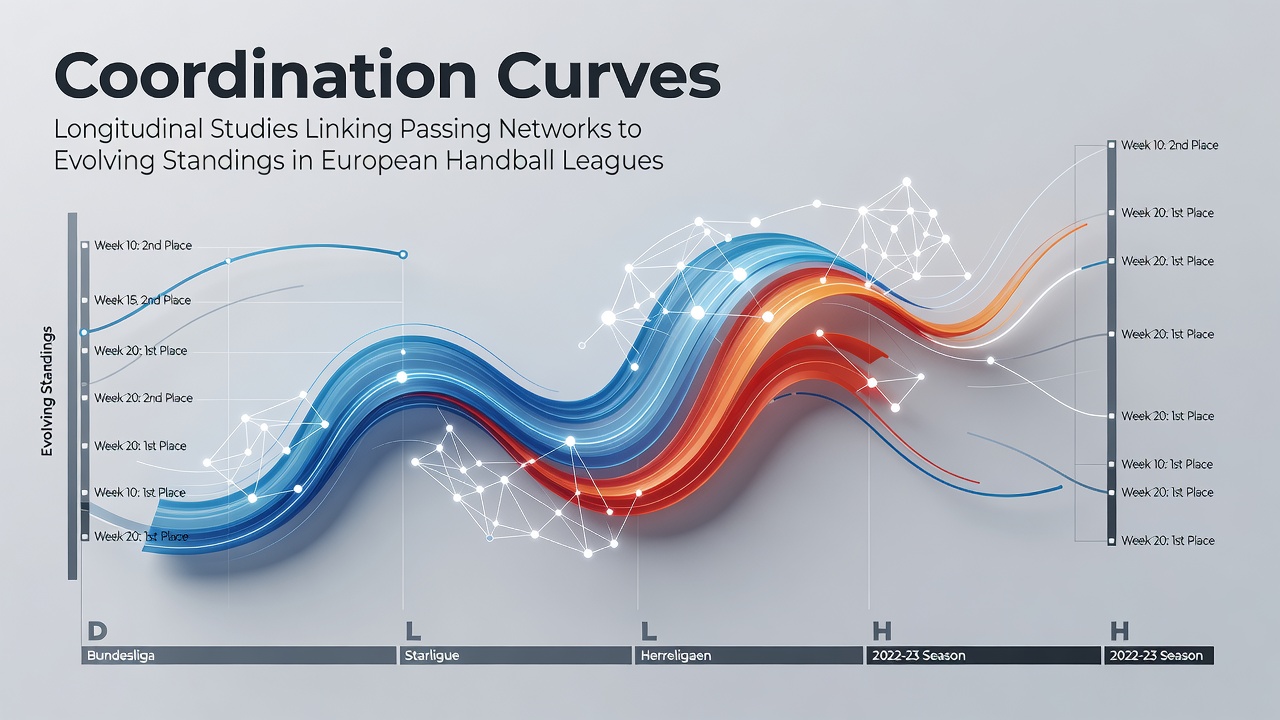
European handball leagues present a dynamic arena where passing networks evolve alongside team positions in the standings, and longitudinal studies have mapped these connections through detailed data collection across multiple seasons. Researchers track ball movement patterns, player interactions, and network density metrics that shift as squads adapt to opponents and injuries while climbing or dropping in rankings, and these coordination curves emerge from repeated observations rather than single-match snapshots.
Core Elements of Passing Network Analysis
Analysts define passing networks as graphs where nodes represent players and edges capture completed passes between them, with metrics like centrality and clustering coefficients revealing how teams maintain flow during matches. Studies across the German Bundesliga and Spanish Liga ASOBAL demonstrate that teams with higher betweenness centrality in their networks often sustain better defensive transitions, while data from French LNH competitions shows similar patterns in fast-break efficiency. As of November 2026, ongoing tracking in these leagues indicates that network stability correlates with mid-season ranking gains, particularly when squads integrate new players without disrupting established passing routes.
Longitudinal designs follow the same clubs over three to five seasons, recording changes in network metrics at regular intervals and aligning them with league table movements. This approach captures how early-season adjustments in passing volume influence later standings, and evidence from aggregated match files reveals that teams improving their network connectivity by 15 percent or more tend to secure playoff berths more consistently.
Key Findings from Multi-Season Data
Observers note that coordination curves flatten when teams face congested schedules, yet some clubs recover network cohesion faster than others due to consistent training regimens. Research indicates that squads in the top half of standings maintain denser passing clusters in the final 10 minutes of games, whereas lower-ranked sides show increased isolation of key playmakers. One study revealed that clubs implementing targeted passing drills between matches experienced measurable upticks in network resilience, and these improvements aligned with upward trajectories in the standings over subsequent rounds.
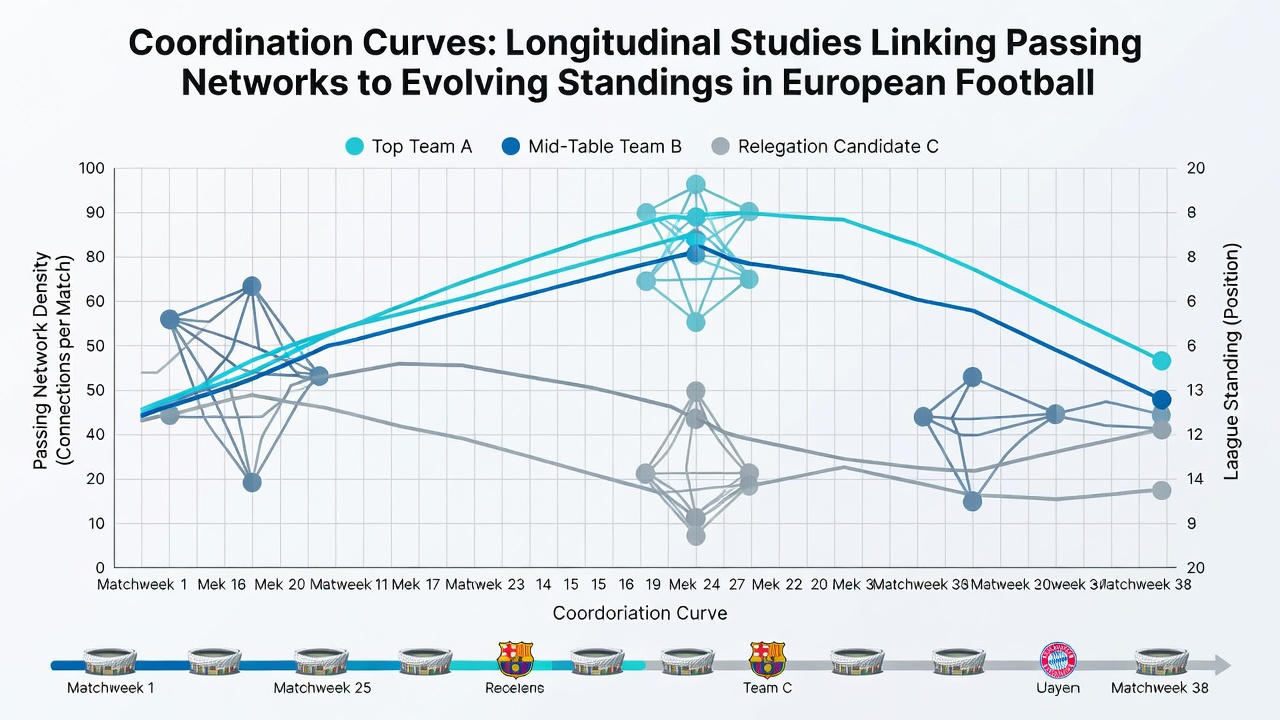
European Handball Federation reports provide baseline statistics that researchers cross-reference with proprietary network models, while a separate analysis from the University of Copenhagen highlights regional differences in how Scandinavian teams versus Central European sides adapt their networks during injury spells. Data shows that Danish clubs often emphasize wider passing distributions that support counter-attacks, and this style links to steadier mid-table positions compared to more centralized approaches seen elsewhere.
Integration with League Forecasting Models
Forecasting tools now incorporate coordination curve variables alongside traditional metrics like goal difference and possession time, allowing projections that account for network evolution rather than static snapshots. Teams that demonstrate rising network density early in a campaign frequently outperform initial expectations, and analysts adjust models accordingly when fresh data arrives each month. In November 2026, several Bundesliga sides displayed upward curve shifts that preceded climbs of three or more places in the table, confirming patterns observed in prior seasons.
Additional variables such as travel demands and fixture congestion appear in the datasets, revealing how external pressures temporarily alter passing networks before teams reestablish equilibrium. Those who've studied these interactions note that recovery periods between matches play a decisive role in preserving network quality, and clubs managing rotations effectively preserve their coordination advantages.
Conclusion
Longitudinal studies continue to refine understanding of how passing networks drive standings changes across European handball, delivering objective metrics that support both performance evaluation and strategic planning. Continued data collection through the 2026-2027 season will further clarify these relationships as leagues progress.