Performance Chains Across Field Hockey Events: Cumulative Stats Recalibrate Player Ratings and Reshape League Outlook Predictions
Written by Blake Lorenz · Nov 8, 2026
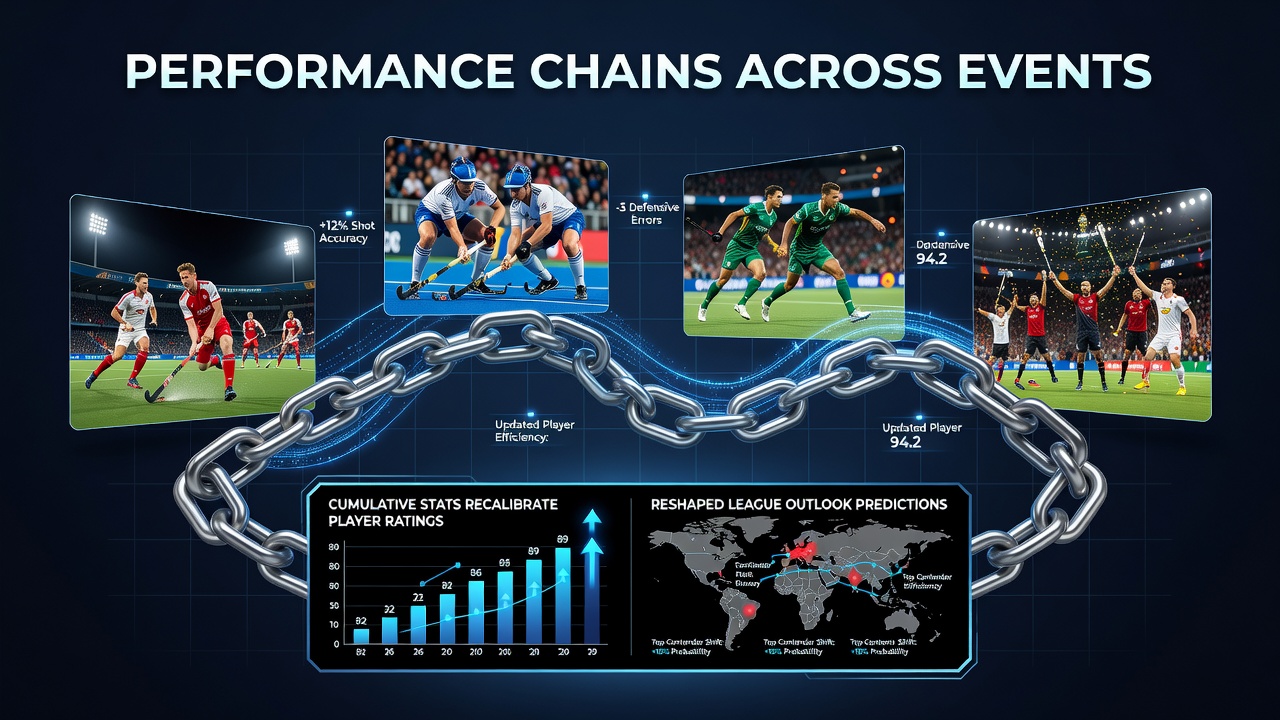
Performance Chains Across Field Hockey Events: Cumulative Stats Recalibrate Player Ratings and Reshape League Outlook Predictions
International field hockey circuits have seen cumulative performance data reshape how player ratings evolve across multiple tournaments, and observers note that these chains of statistics directly influence league forecasts heading into late 2026. Data collected from the FIH Pro League and continental championships show that season-long aggregates on possession time, penalty corner conversions, and defensive interceptions trigger adjustments in rating models used by analysts worldwide.
How Cumulative Metrics Build Performance Chains
Teams accumulate statistics across events like the Hockey World Cup qualifiers and regional leagues, which means a single strong showing in November can shift a player's overall rating when combined with earlier results from the year. Researchers at sports analytics centers have documented that these chains form because rating algorithms weight recent matches alongside historical outputs, creating ripple effects that alter projected team standings for the following season.
One study from the Australian Institute of Sport examined how midfielders who sustain high pass completion rates over five consecutive events saw their individual ratings climb by measurable margins, while goalkeepers with consistent save percentages across the same span experienced similar recalibrations. Such patterns emerge because the models integrate variables like distance covered and tackle efficiency into a single composite score that updates after each competition window.
Recalibrating Player Ratings in Real Time
Rating systems employed by international federations recalibrate when cumulative data crosses certain thresholds, and this process affects everything from national team selections to sponsorship valuations. For instance, forwards who record elevated goal contributions during the 2026 Pro League phase often see their rankings improve relative to peers who posted isolated strong performances earlier but faded in later events.
Evidence from the International Hockey Federation database reveals that these adjustments happen through weighted formulas that prioritize consistency across chains of matches rather than peak single-game outputs. Players in European and Asian circuits experience the most pronounced shifts because their schedules feature denser event clusters during the northern hemisphere autumn months.
Reshaping League Outlook Predictions
League predictions adjust when cumulative stats alter the underlying player ratings that feed into forecast models, and this dynamic has become especially visible in the lead-up to the 2026 World Cup qualification rounds. Analysts track how a defender's improved interception totals across three tournaments can elevate an entire team's projected points total for the next cycle, while similar gains by opponents can compress those same forecasts.
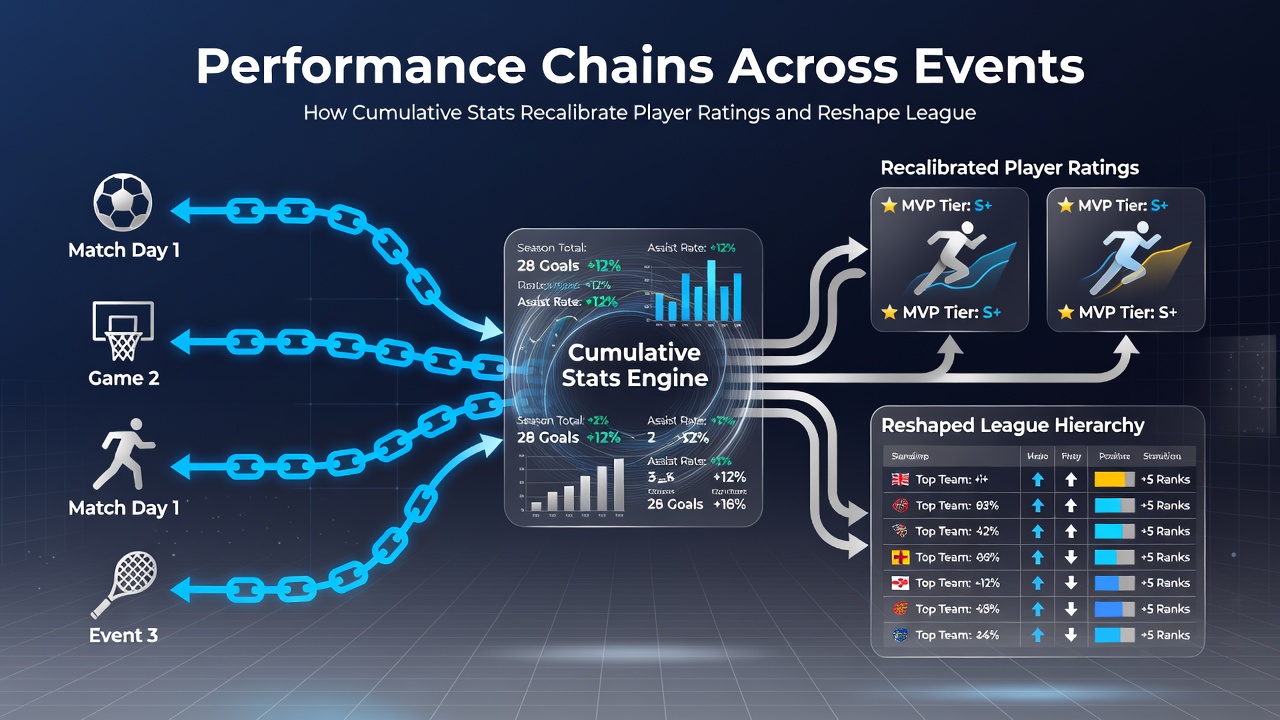
What's interesting is that these recalibrations do not occur in isolation, because the interconnected nature of team sports means one player's updated rating influences collective metrics such as expected goals and set-piece efficiency. Data indicates that squads from Oceania and South America have seen their league position forecasts fluctuate most dramatically when cumulative defensive statistics from multiple events are folded into the models.
Academic papers published by European sports science departments confirm that prediction accuracy improves when algorithms account for performance chains rather than treating each tournament as an independent data point. This approach captures how fatigue, travel, and recovery patterns compound across a calendar year and feed back into rating adjustments.
Regional Variations in Data Application
Circuits in different regions apply cumulative statistics at varying speeds, with North American and European leagues integrating updates more frequently than some Asian federations during the same November timeframe. Those who've examined the datasets note that this creates staggered effects on global rankings, where a player performing in the Pan American Games might see rating changes lag behind counterparts competing in simultaneous European events.
Turnout at major tournaments influences the volume of data available for recalibration, and higher participation rates produce more robust chains that stabilize predictions over time. Government-supported research initiatives in Canada and Australia have tracked how these regional differences affect talent identification programs that rely on the same rating frameworks.
Conclusion
Cumulative performance chains continue to drive rating recalibrations and prediction updates across international field hockey, with data from ongoing 2026 circuits demonstrating clear connections between multi-event statistics and league outlook adjustments. Organizations maintain these systems through ongoing collection and analysis that incorporates new matches as they occur, ensuring the models reflect the full scope of player contributions throughout each season.